Insulation Liner
The foil-based thermal insulation in the container helps prevent temperature and humidity fluctuations during transport. It effectively reflects heat transfer and is ideal for products sensitive to temperature changes, such as food, pharmaceuticals, candles, etc.




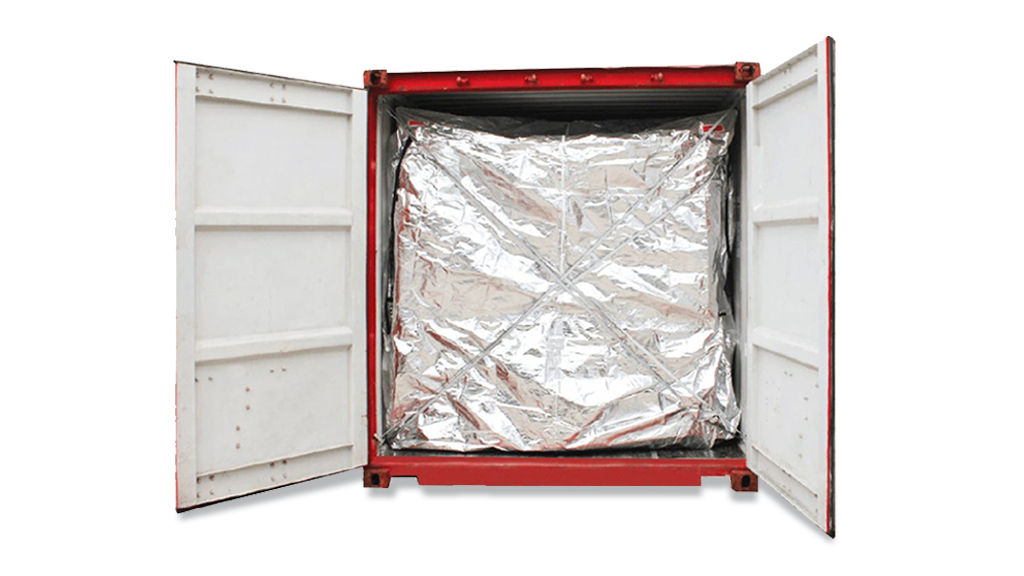
The use of Insulation Liner.
It can protect against fluctuating temperature and humidity and control the internal environment of the container.
Insulation Liner
-
Temperature ControlReflects radiant heat and helps reduce temperature fluctuations.
-
Condensation PreventionMinimizes “Container Rain,” which may lead to mold growth, rust, or product contamination.
-
Product PreservationMaintains product quality and condition throughout transportation.
-
Cost EfficiencyMinimizes the need for temperature-controlled (Reefer) containers.
-
Versatile UseIdeal for food, beverages, pharmaceuticals, electronics, and more.
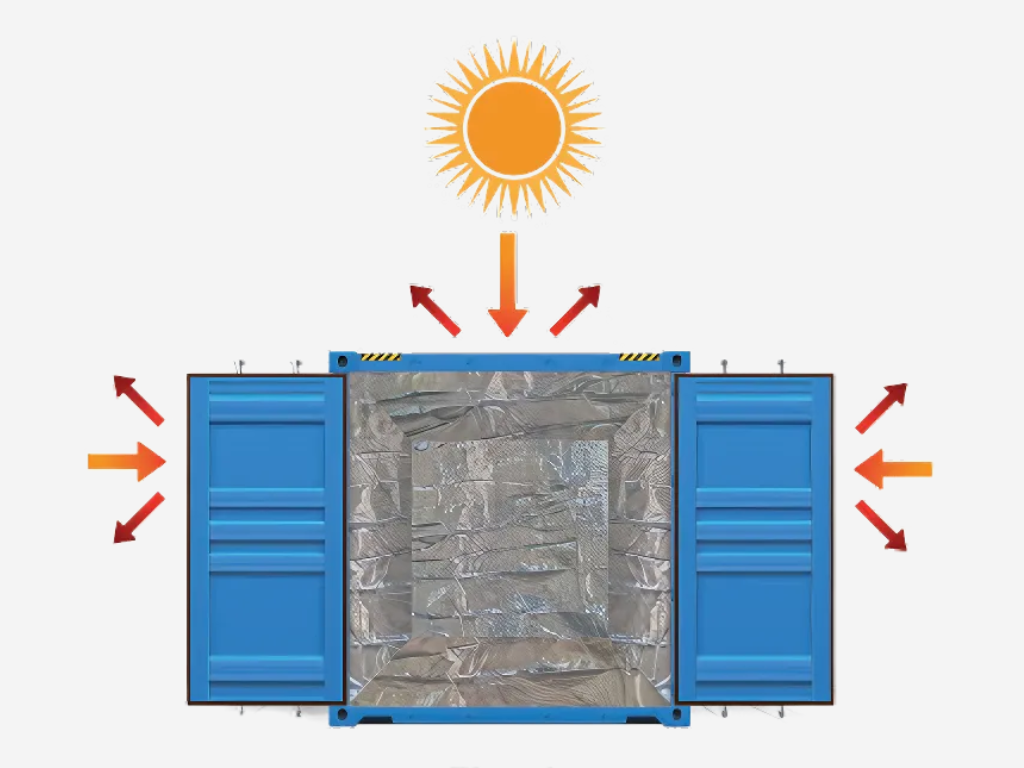
Fitted
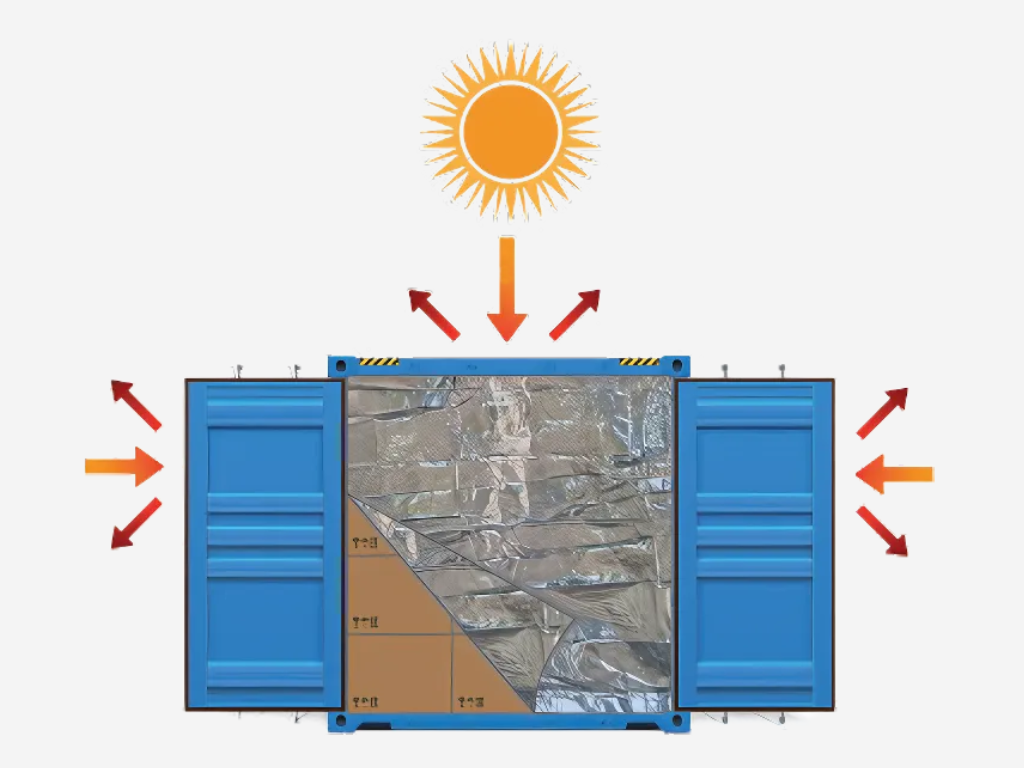
Loaded
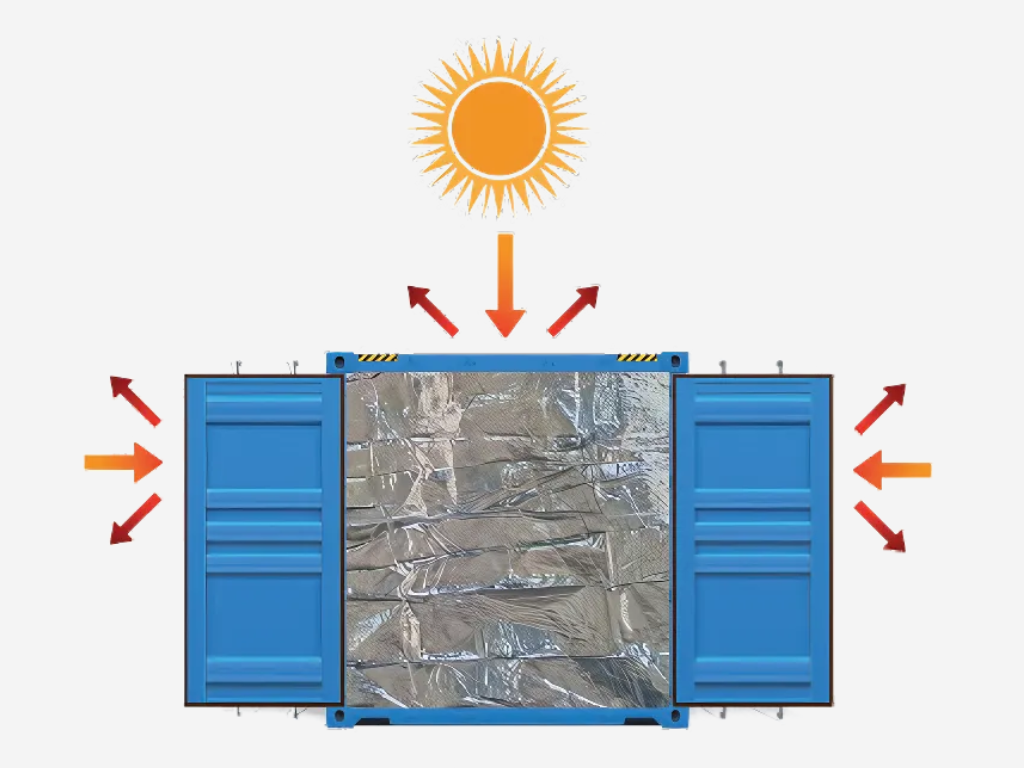
Sealed
Why use insulation liner ?
Across all industries moving products in standard dry shipping containers can expose the goods to severe temperature fluctuations. In many cases, this can cause irreversible damage to the product resulting in lost sales and expensive insurance claims.
How dose insulation liner work ?
Goods inside are protected from dangerous temperature spikes. Only a very small percentage of heat (or cold) is allowed in or out of the liner due to reflective properties on both sides.
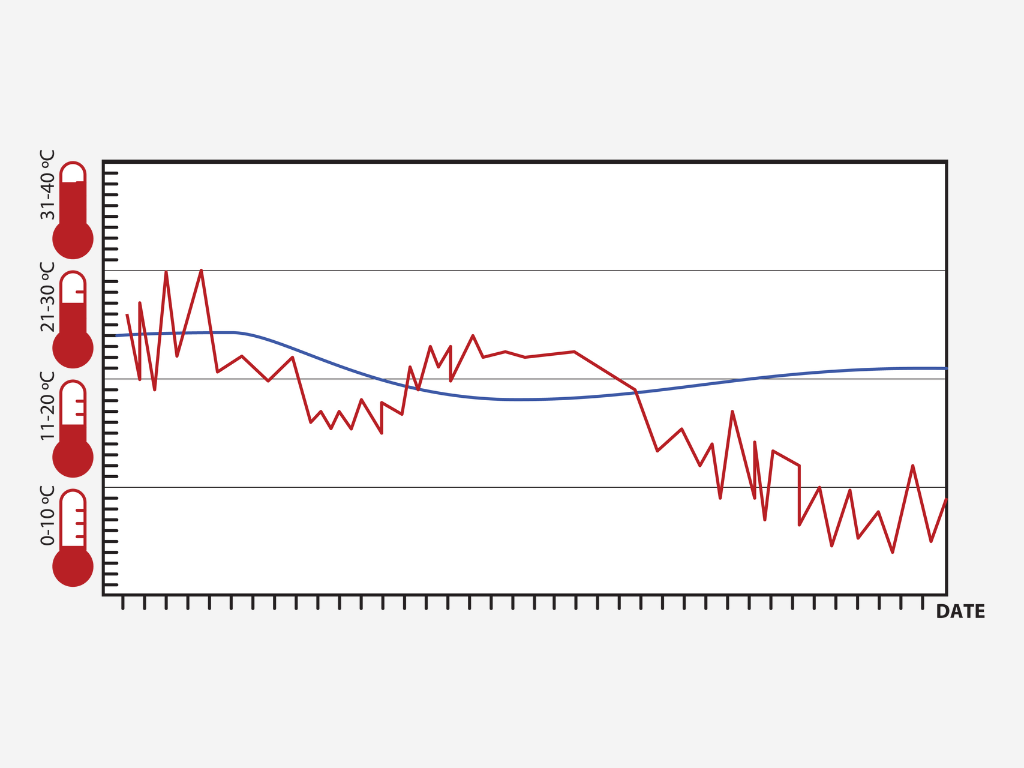
Temperature Comparison Graph: Inside vs. Outside the Thermal Insulation.
Red graph : Represents transportation exposed to fluctuations in external temperature.
Blue graph : Represents consistently stable temperature maintained inside the thermal insulation.