Safety First: An In-Depth Guide to Chemical Storage Cabinets by Hazard Classification — An Essential Standard for Every Organization
Safety First: An In-Depth Guide to Chemical Storage Cabinets by Hazard Classification — An Essential Standard for Every Organization
In laboratories, industrial facilities, warehouses, and even educational institutions, the storage and handling of chemicals and flammable materials are often essential parts of daily operations, whether for research, testing, or manufacturing processes. However, these chemicals and flammable substances can pose significant risks and may cause serious harm to both life and property if not managed properly.
One of the most widely adopted safety measures is the use of segregated chemical storage cabinets, which are designed to store different types of chemicals according to their specific hazards. This approach helps prevent accidents and ensures that potential risks are addressed effectively and appropriately.
Chemical storage cabinets are classified based on the properties and compatibility of the chemicals being stored, in accordance with internationally recognized standards such as FM, NFPA, OSHA, and EN 14470. To facilitate easy identification and safe handling, these cabinets are commonly color-code
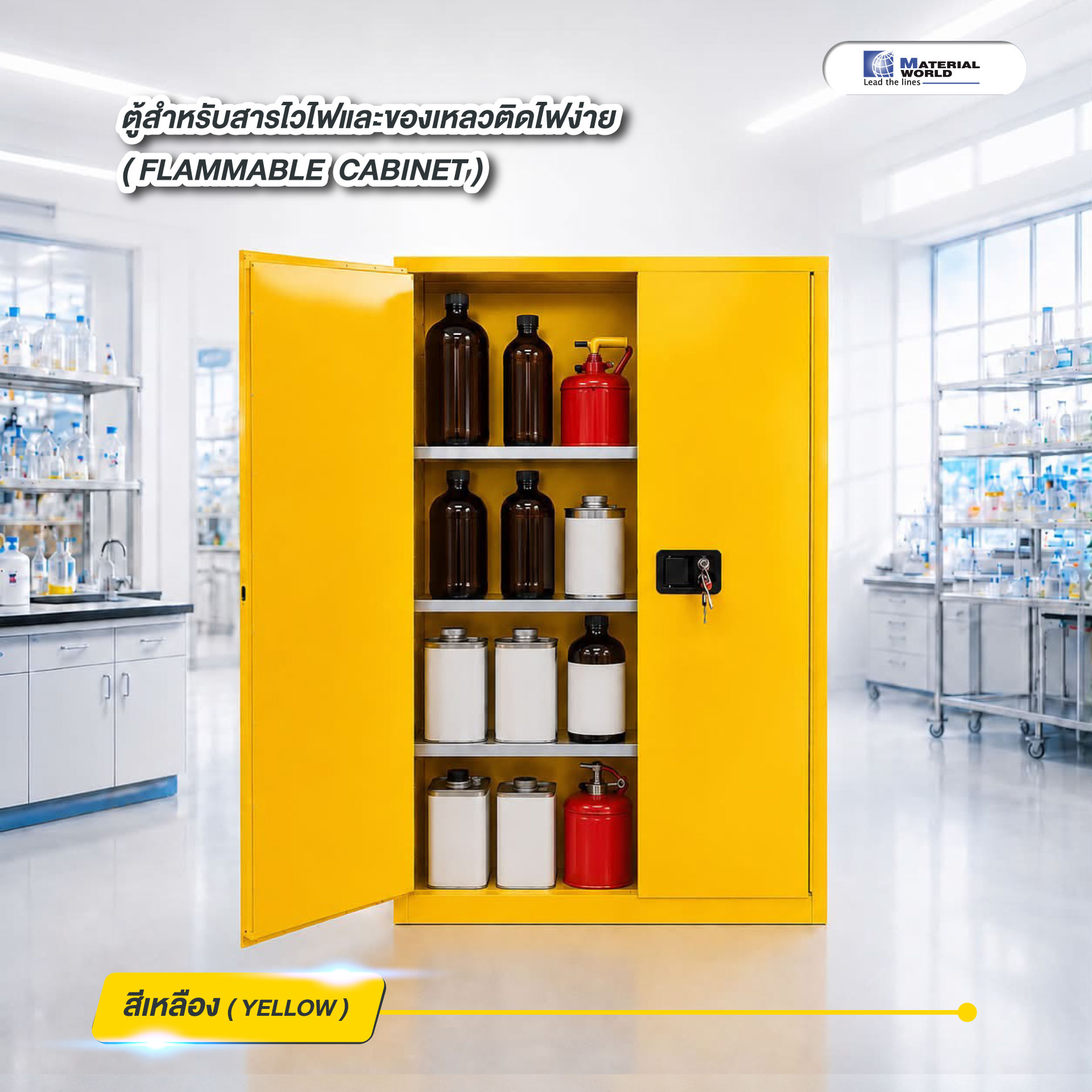
Yellow Cabinet
Flammable Liquid Storage Cabinet
Yellow cabinets are designed for the safe storage of flammable liquids and combustible materials. They are constructed with thermal insulation to help prevent external fires from spreading into the cabinet and igniting the stored contents.
These cabinets are commonly used for storing chemicals such as alcohols, thinners, gasoline, solvents, and other flammable liquids. By providing a dedicated and secure storage solution, yellow safety cabinets help minimize fire hazards and support compliance with recognized safety standards.
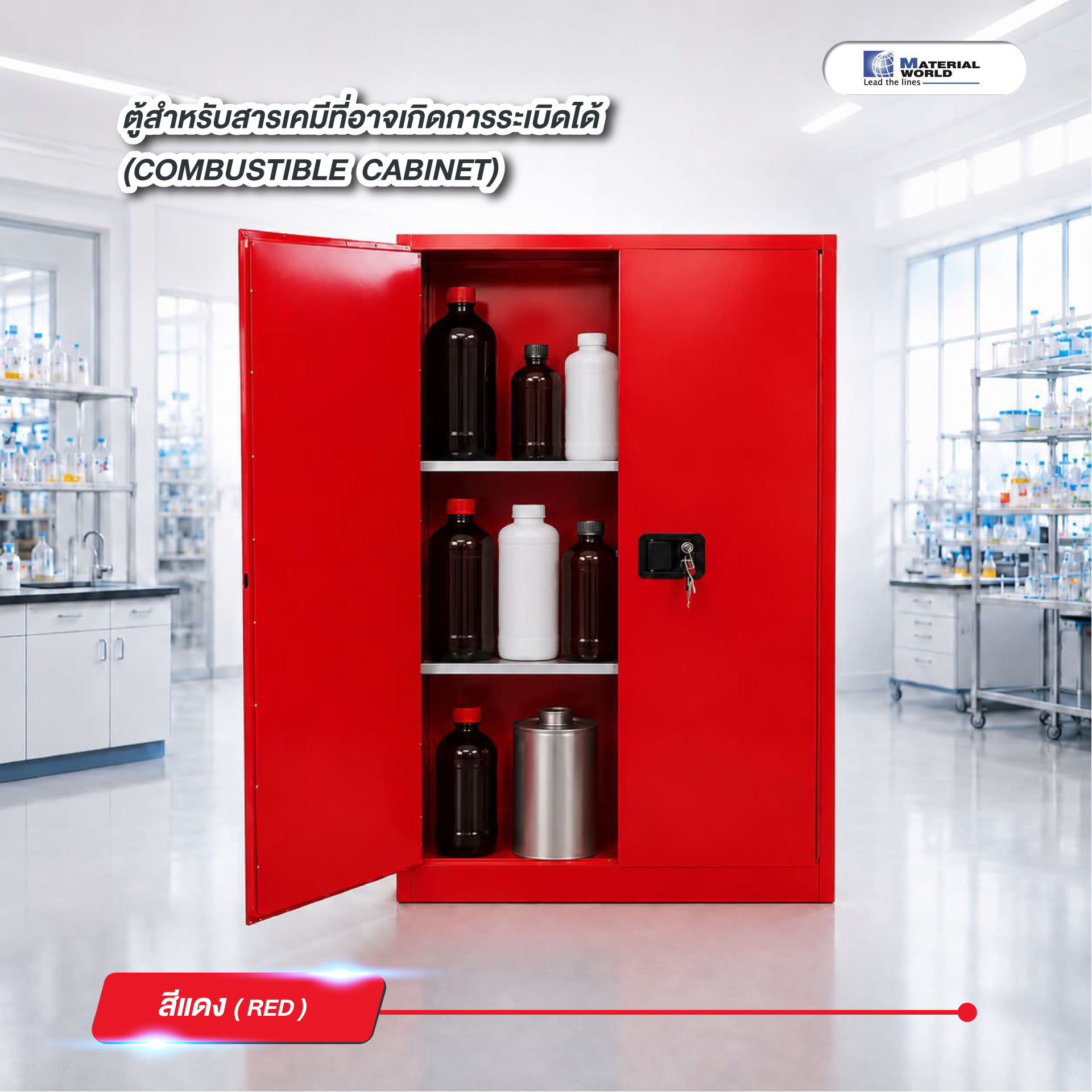
Red Cabinet
Combustible Chemical Storage Cabinet
Red cabinets are designed for storing combustible chemicals and highly hazardous flammable liquids that may present an elevated risk of fire or explosion. These cabinets provide a dedicated and clearly identifiable storage solution to help minimize potential hazards in the workplace.
In the event of an emergency, such as a fire, the red cabinet allows firefighters and personnel to quickly recognize the presence of hazardous materials and take appropriate precautions and response measures.
Chemicals commonly stored in red cabinets include phosphorus, sodium sulfide, and other substances that require special handling due to their reactive or potentially hazardous nature.
Blue Cabinet
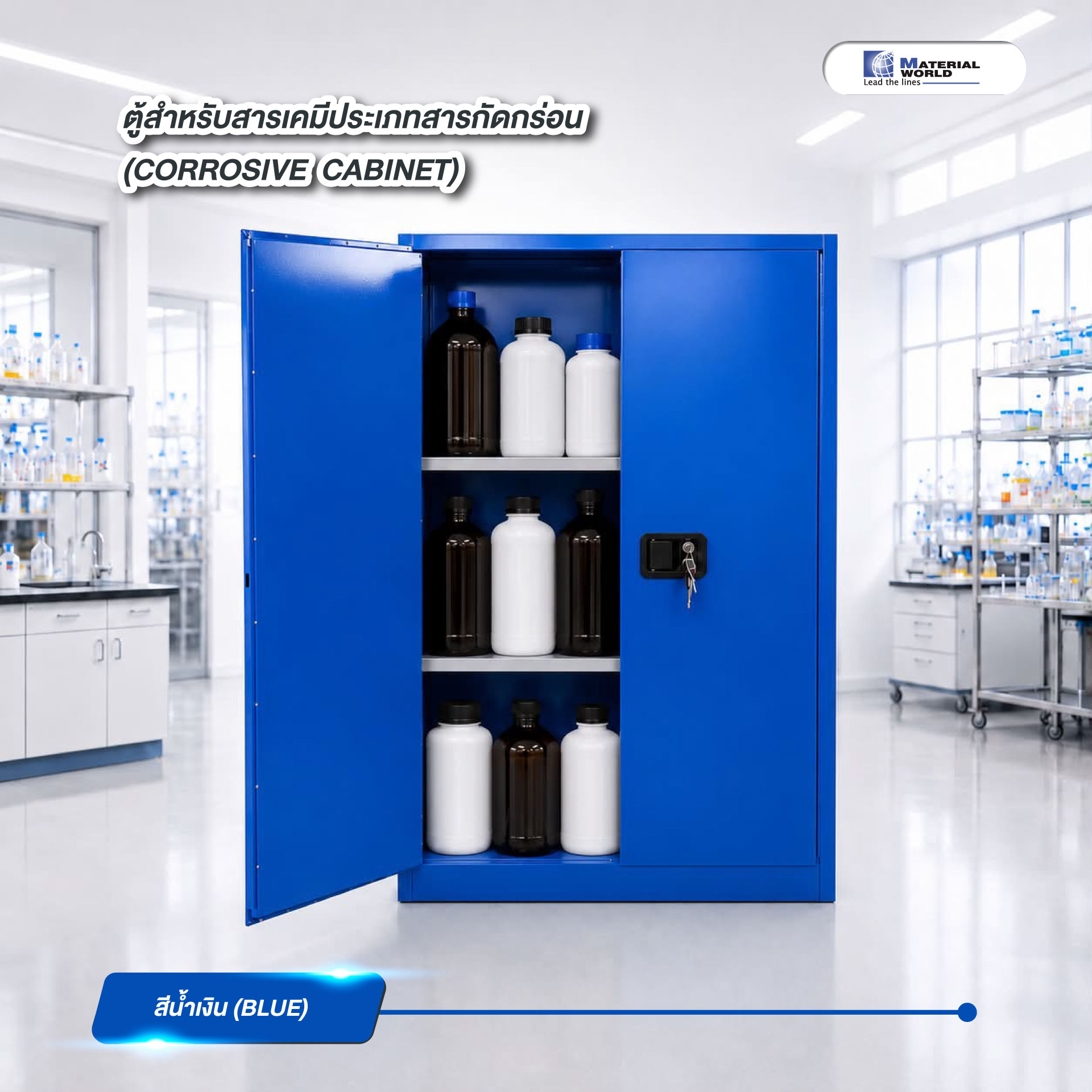
Corrosive Chemical Storage Cabinet
Blue cabinets are specifically designed for the safe storage of corrosive chemicals and chemical precursors that may cause damage to materials, equipment, or personnel through chemical reactions. These cabinets provide enhanced protection against leaks, spills, and corrosion, helping to maintain a safer working environment.
They are commonly used for storing corrosive substances such as sulfuric acid, sodium hydroxide, hydrochloric acid, and other acids or alkalis that require dedicated storage and careful handling.
By segregating corrosive chemicals from incompatible substances, blue safety cabinets help reduce the risk of hazardous reactions and support compliance with workplace safety regulations and industry standards.
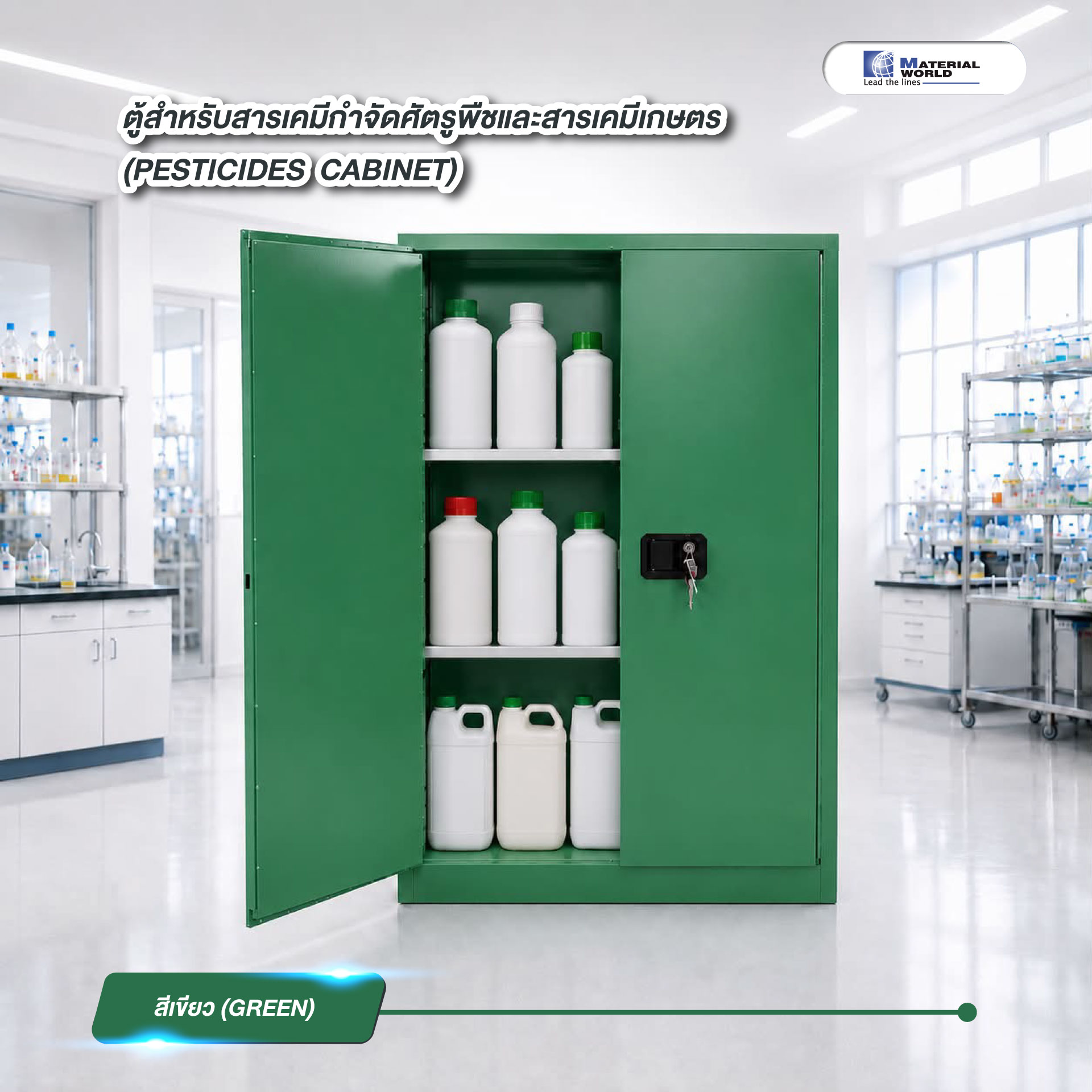
Green Cabinet
Pesticides and Agricultural Chemical Storage Cabinet
Green cabinets are specifically designed for the safe storage of pesticides and agricultural chemicals. They are widely used in industrial facilities, agricultural operations, warehouses, and other establishments that require the proper handling and storage of agrochemicals.
These cabinets are suitable for storing insecticides, herbicides, chemical fertilizers, and other agricultural products that require secure and organized containment. By providing dedicated storage, green safety cabinets help prevent contamination, reduce the risk of accidental exposure, and promote compliance with workplace safety and environmental protection requirements.
Proper segregation and storage of agricultural chemicals also contribute to improved inventory management and safer handling practices.
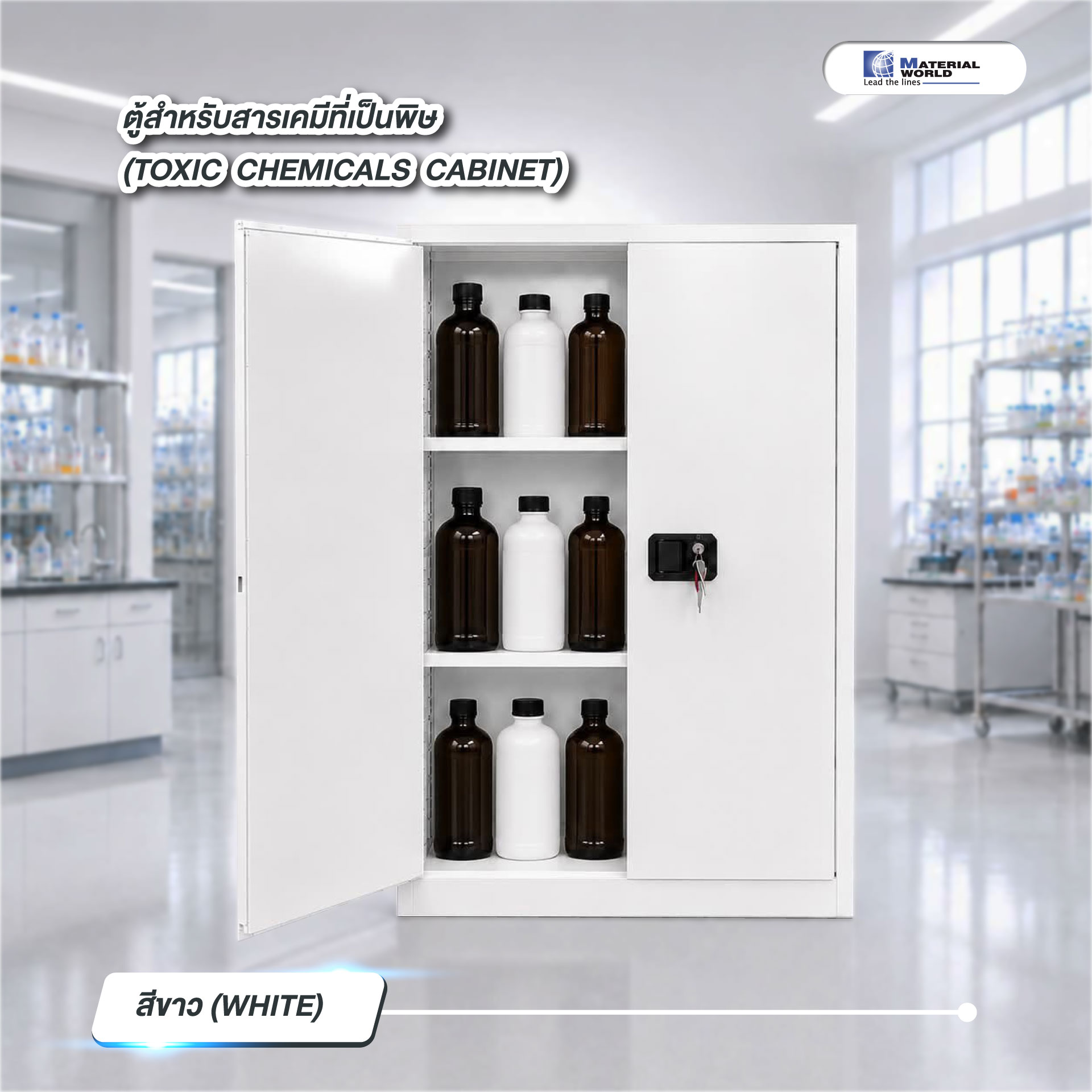
White Cabinet
Toxic Chemical Storage Cabinet
White cabinets are designed for the safe storage of toxic chemicals and hazardous substances that may pose serious health risks through inhalation, ingestion, or skin contact. These cabinets are commonly used to store toxic liquids, volatile substances, and laboratory-grade chemicals that require controlled and secure storage.
Typical chemicals stored in white cabinets include cyanides, arsenic compounds, mercury, and other highly toxic substances identified by the skull-and-crossbones hazard symbol. By providing dedicated containment for toxic materials, white safety cabinets help reduce the risk of accidental exposure, contamination, and environmental hazards while supporting compliance with workplace safety regulations.
Proper storage and segregation of toxic chemicals are essential for protecting personnel, maintaining laboratory and workplace safety, and ensuring regulatory compliance.
Investing in high-quality, standards-compliant chemical storage cabinets may require a significant initial investment, but it is ultimately a worthwhile decision when compared to the value of protecting lives, property, and workplace operations. Proper chemical storage not only helps minimize potential risks and prevent accidents but also demonstrates an organization's commitment to safety and responsible chemical management.
Furthermore, implementing certified chemical storage solutions supports compliance with international safety standards, enhances operational reliability, and reinforces an organization's professional image. As a result, it contributes to greater trust and confidence among employees, customers, business partners, and regulatory authorities alike.
Expert Tips :
Even when segregated chemical storage cabinets are properly installed and utilized, it is essential to ensure that incompatible chemicals are not stored together or placed in close proximity to one another. Chemicals with different properties may react dangerously if a leak or spill occurs.
Improper storage of incompatible substances can lead to violent chemical reactions, the release of hazardous gases, fires, or even explosions. Therefore, chemicals should always be classified, segregated, and stored according to their compatibility and hazard characteristics, while following the manufacturer's recommendations and applicable safety regulations.
Proper chemical segregation is a critical step in maintaining a safe workplace and preventing potentially catastrophic incidents.
#FlammableCabinet #CombustibleCabinet #CorrosiveCabinet #SafetyCabinet

MW
Blog Category
Latest
-
 A Must-Have: PVC Strip Curtains — The Space-Separation Solution Trusted Across Industries In industrial factories, warehouses, and even r...
 -
 Safety First: An In-Depth Guide to Chemical Storage Cabinets by Hazard Classification — An Essential Standard for Every Organization In laboratories, industrial facilities, warehou...
 -
 Transform Your Traditional Warehouse into a Safer Smart Warehouse with a Forklift Camera System. Within the warehouse, the continuous movement o...
 -
 How to choose plastic pallets that suit your application Choosing plastic pallets that best fit your app...
 -
 Protect Your Warehouse Racking System with Rack Column Guards and Safety Barriers. In most warehouses, goods are constantly being ...