Design a loading dock to meet standards for seamless operations.
Design a loading dock to meet standards for seamless operations.
The loading dock is a critical connection point in logistics operations and is considered a strategic area of any warehouse. It is not merely a space for trucks to park and handle loading and unloading; it is also one of the busiest and highest-risk zones. Any disruption in this area can easily impact and delay other processes throughout the operation.
In the era of e-commerce, where competition is intense, speed is a key advantage. A well-designed, systematic, and safe flow of goods reflects the efficiency of warehouse management and can significantly increase the number of truck turnaround cycles each day.
Implementing standardized equipment at the loading dock helps ensure smooth, seamless, and safe operations. The key elements can be defined as the four main pillars of a standard loading dock, which include:
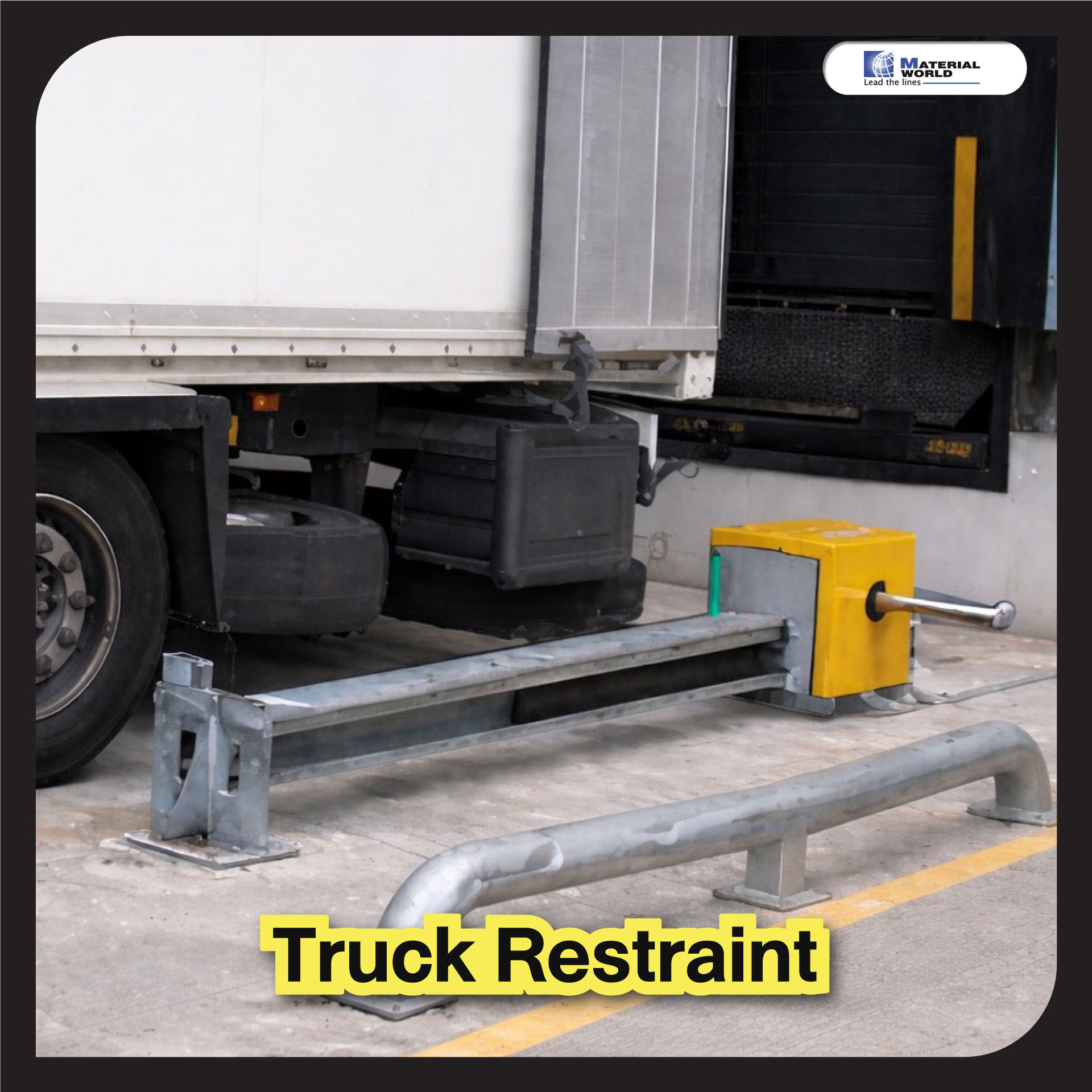
• Truck Restraint
This is the first piece of equipment used in the loading process. It functions to secure the truck in place, preventing movement and reducing the risk of accidents during loading operations. It can also be interlocked with other equipment, such as the dock leveler and doors, to ensure a safe and properly sequenced workflow.
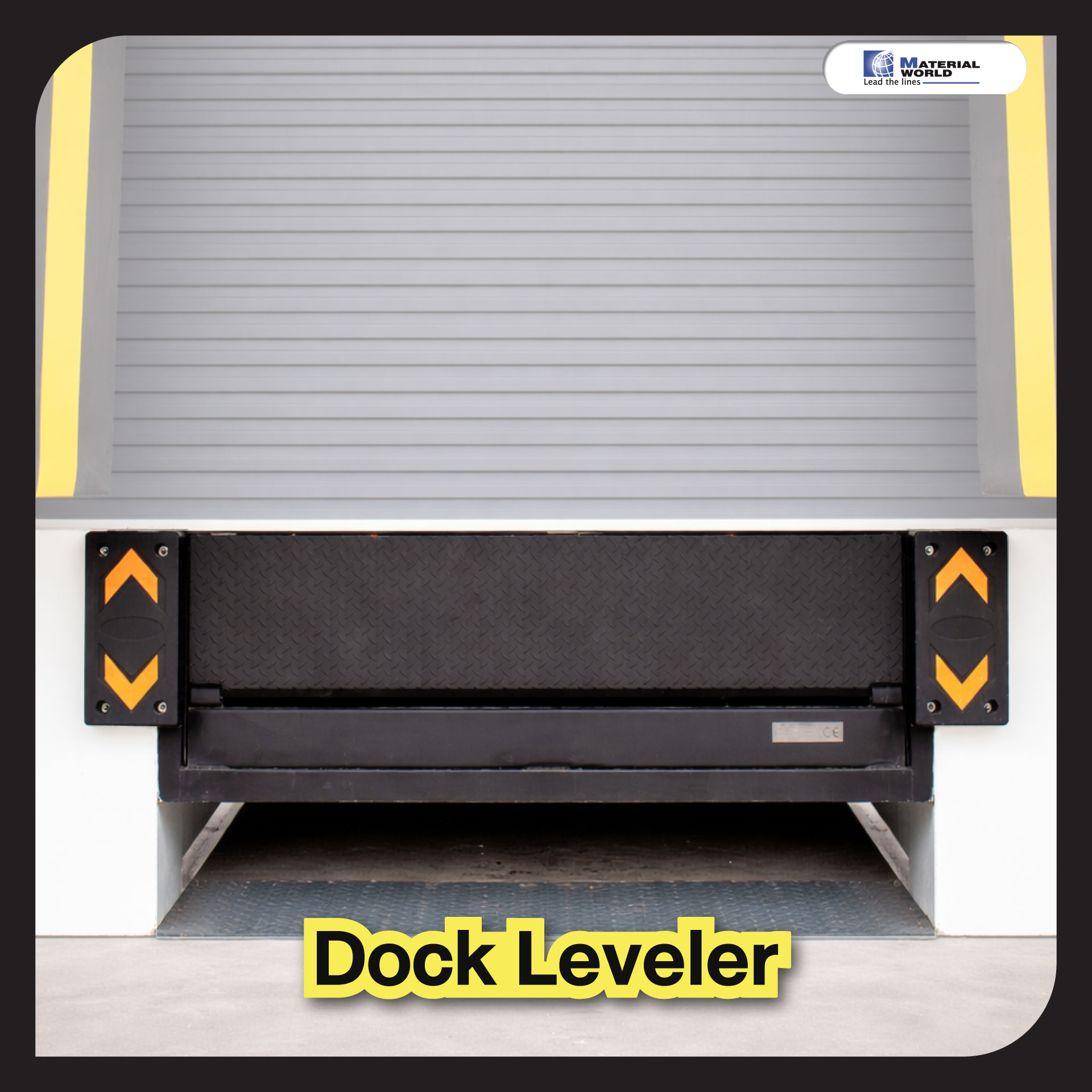
• Dock Leveler
A dock leveler (hydraulic or manual) helps bridge the height difference between the truck bed and the loading dock, allowing forklifts or pallet trucks to move directly into the trailer for efficient loading and unloading.
It is typically used together with dock bumpers, which absorb impact when trucks reverse into position, helping to reduce damage to loading dock equipment and the building structure.
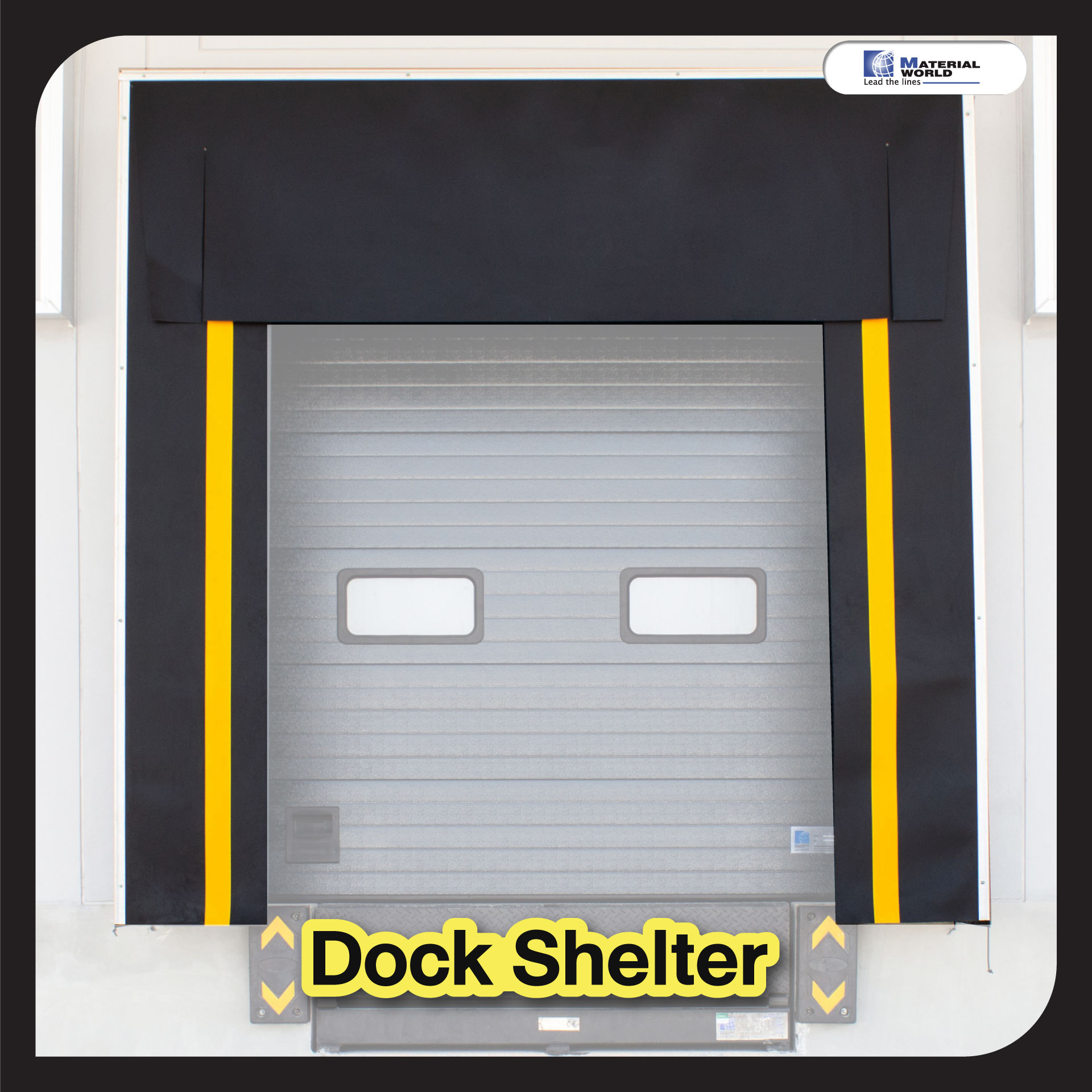
• Dock Shelter / Dock Seal
A dock shelter or dock seal encloses the rear of the truck, acting as a barrier that closes the gap between the building and the trailer. It helps control the environment by preventing dust, insects, and rain from entering the workspace. In cold storage facilities, it also reduces the workload of temperature control systems by minimizing air loss and preventing them from overworking.
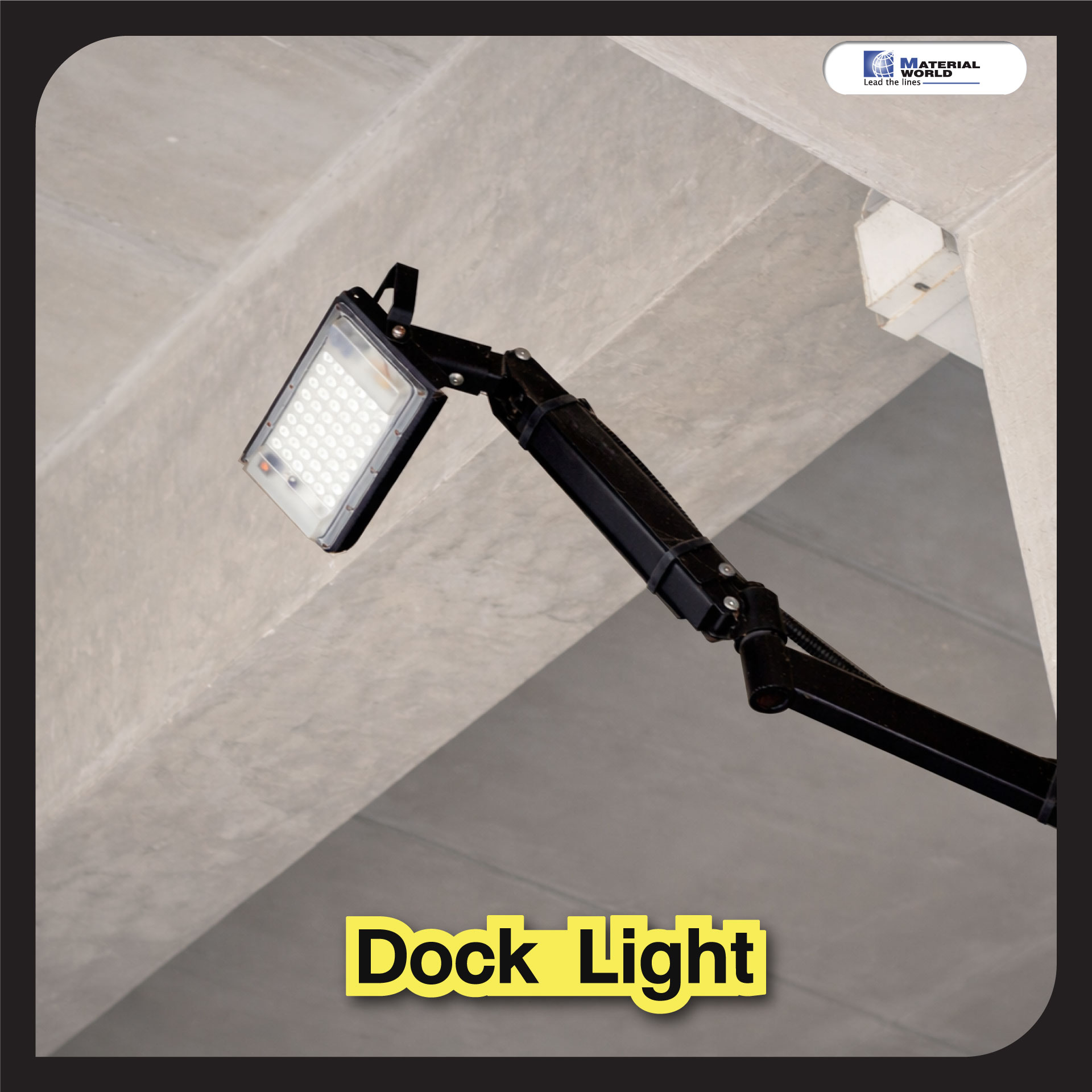
• Safety & Lighting System (Dock Light)
Provides additional illumination to improve handling accuracy and help prevent missteps in low-light conditions.
Effective loading dock management is not just about installing equipment—it also requires regular maintenance and proper staff training to ensure correct usage.
If your loading dock still lacks efficiency or poses safety risks, it’s time to start upgrading it to meet proper standards. Even a small improvement in traffic flow can create a significant advantage in both your warehouse operations and overall image.
Because a loading dock is not just a point of transfer—it is the first impression of your operational excellence and management capability.
#LoadingDock #DockLeveler #TruckRestraint #DockBumper #WarehouseSafety #DockLight #DockShelter #DockSeal

MW
Blog Category
Latest
-
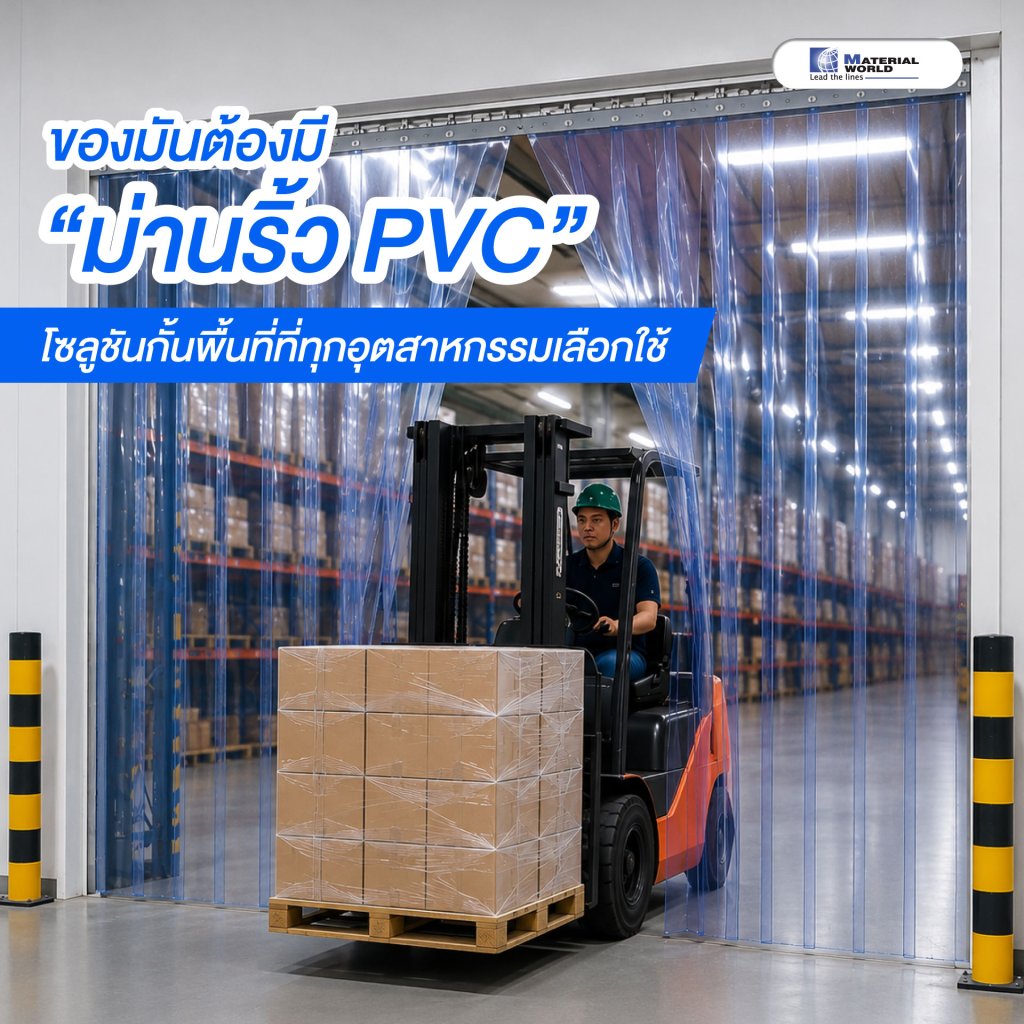 A Must-Have: PVC Strip Curtains — The Space-Separation Solution Trusted Across Industries In industrial factories, warehouses, and even r...
 -
 Safety First: An In-Depth Guide to Chemical Storage Cabinets by Hazard Classification — An Essential Standard for Every Organization In laboratories, industrial facilities, warehou...
 -
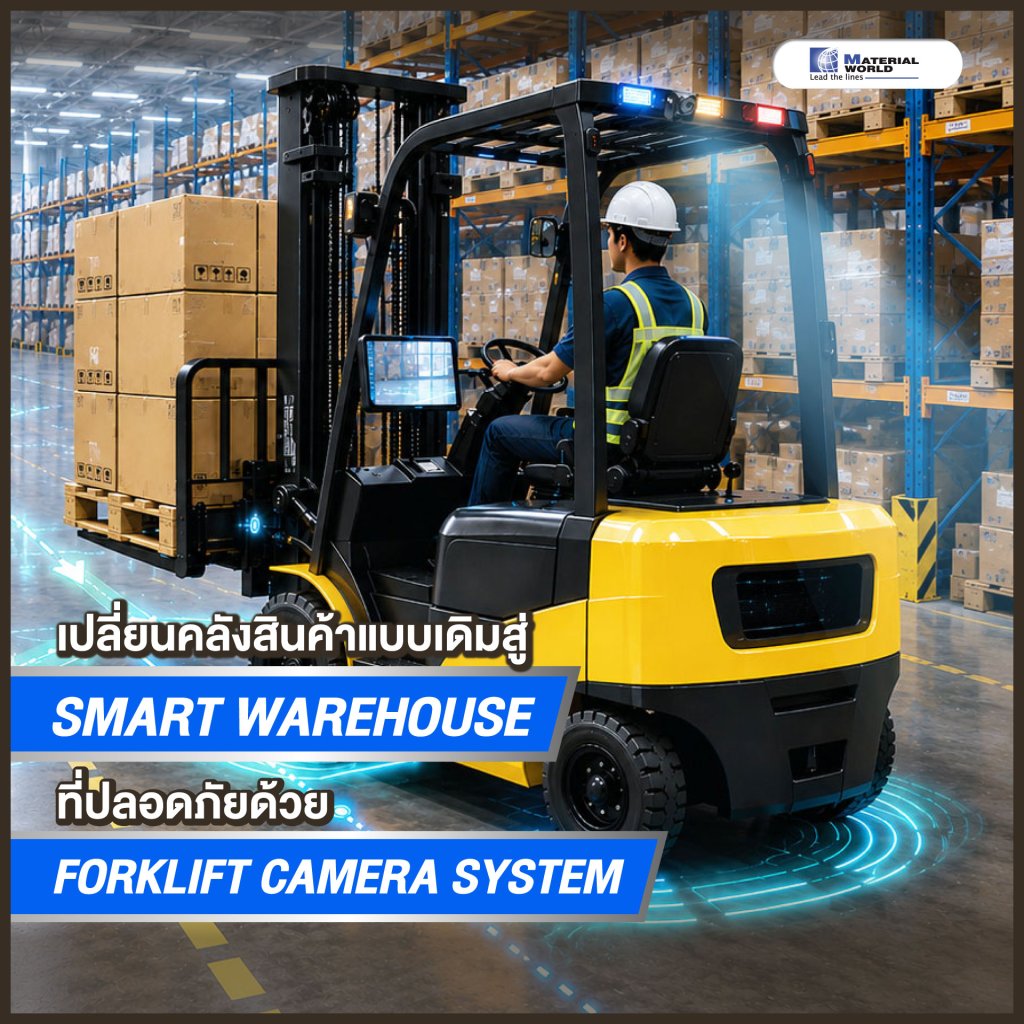 Transform Your Traditional Warehouse into a Safer Smart Warehouse with a Forklift Camera System. Within the warehouse, the continuous movement o...
 -
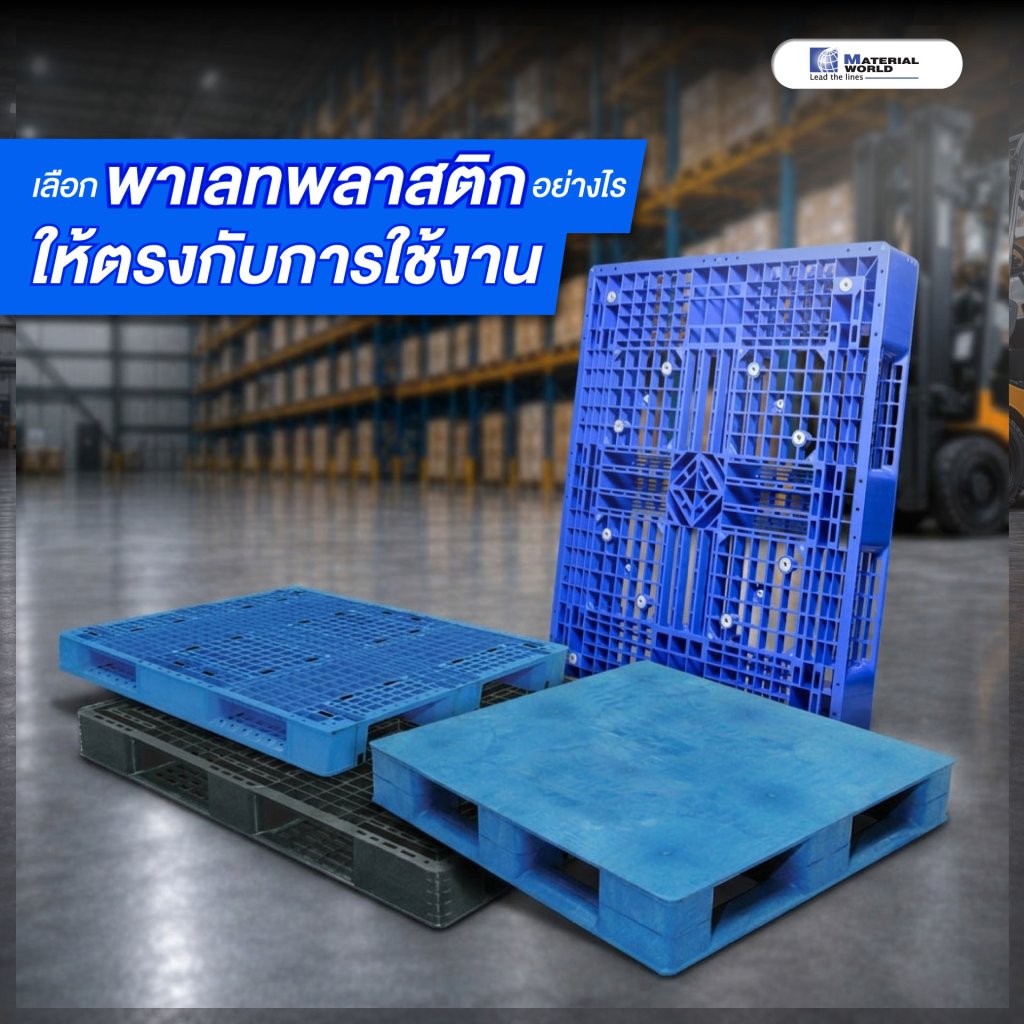 How to choose plastic pallets that suit your application Choosing plastic pallets that best fit your app...
 -
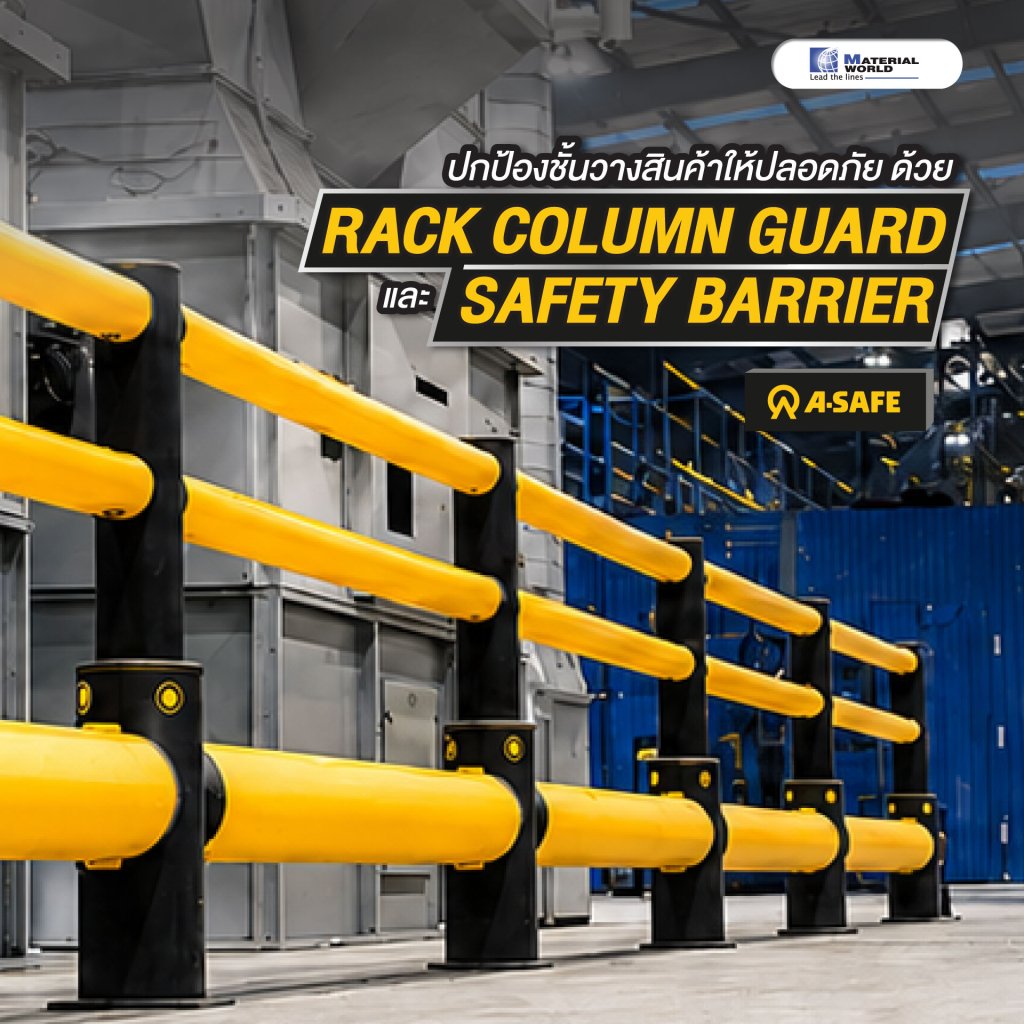 Protect Your Warehouse Racking System with Rack Column Guards and Safety Barriers. In most warehouses, goods are constantly being ...